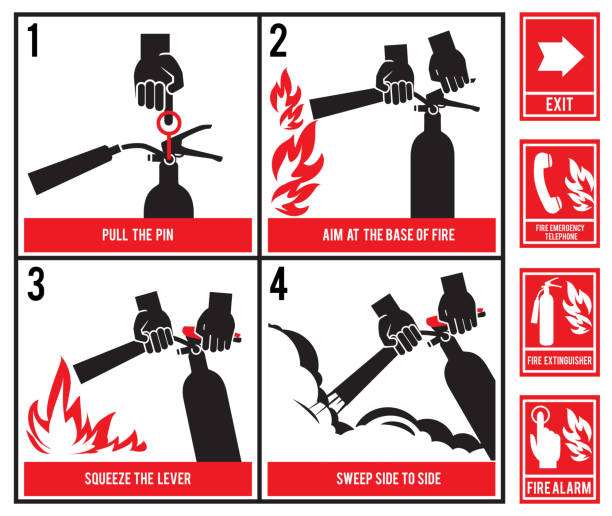
MORGEN is an engineering consultancy firm having vast experience in fire safety design & consulting. We have a team of professionals and resources to provide you the best fire safety solution-based consulting and designing. We ensure the most precise and cost-effective turn-key solution of safety equipment for the Government and private sectors in Bangladesh. Our Engineering skills and services throughout designing, product supply, and installation, safety management consulting.
Our fire safety engineers apply their expertise and knowledge in planning for quality, price, and service, and customer satisfaction.
Our Service and Activities include the following.
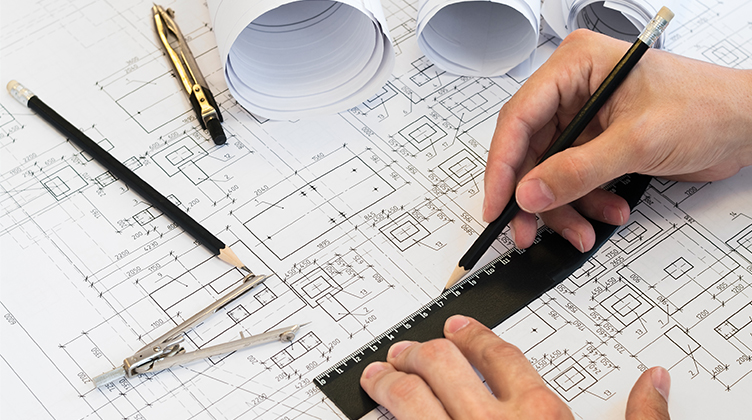
MORGEN Integrated Systems Ltd. is a one -stop solution enterprise with demonstrated experience in successful management and implementation of projects throughout the country to ensure the compliance.We provide compliance consultancy as well as services for compliance development.
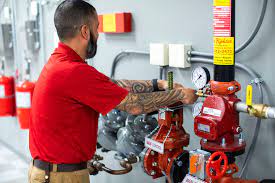
Fire pumps are an integral part of commercial sprinkler systems and work in tandem with fire and life safety systems to protect people, buildings, and assets in case of a fire emergency. Fire pumps are required when municipal water systems can’t provide adequate pressure to meet the demands of a building’s sprinkler system, such as in high-rise buildings.
Impact Fire provides fire pump design, installation, inspection, maintenance, and monitoring services to commercial and industrial businesses nationwide. Our fire pump specialists are well-versed in NFPA codes and local AHJ requirements across the country, ensuring fire and life safety compliance with minimal disruption to your business. Whether you need to install a new system or schedule routine maintenance, Impact Fire is the fire protection company you can count on to ensure fire pump functionality and regulatory.

Every Fire Pump we work on is properly disassembled, inspected, cleaned, re-assembled and test run. Whether your pump requires general maintenance or a complete overhaul, we have the knowledge, the quality fire pump parts, and the expertise to complete the job and have your fire pump back in service as quick as possible with the reliability that you expect. We stand behind every rebuild or repair with our 100% workmanship guarantee.
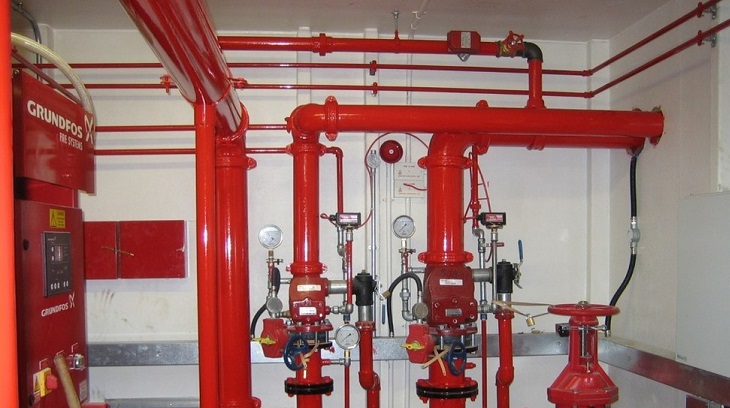
Standpipe systems are a group of pipes that connect a hose to an adequate water supply. They are part of the fire hydrant system, and are strategically placed in various locations around a building. Many new structures have a combination system of fire sprinklers and standpipe systems, while many older buildings only have a standpipe system. They are usually in buildings with a large floor area or multiple stories, where most of the structure is far away from any entrance or exit.
The National Fire Protection Association (NFPA) requires standpipe systems to undergo testing when they are installed, as well as regular ongoing maintenance tests after installation. This includes above-ground testing and underground testing. This article gives an overview of the main testing, maintenance, and inspection requirements as mandated by the NFPA.
Do you know your system’s age and maintenance history? A system under 5 years old doesn’t usually require much maintenance, and if it does malfunction, it’s likely due to poor installation procedures or voltage transients. A fire system between 5 and 10 years old may develop problems due to environmental factors. Temperature and humidity, as well as voltage fluctuations, can create false alarms.
A system between 10 and 15 years old can provide viable protection if it’s scrupulously maintained. If it hasn’t been well maintained, system malfunction is likely. However, a system that’s nearing 20 years old is a definite risk, as it may be approaching the end of its usefulness. If it’s well maintained, you may continue to get use out of it.
Fire alarms can degrade over time. A fire alarm’s performance can also be compromised by dirt, dust or vandalism. If you’re currently remodeling your facility, fire alarms may also be degraded by debris and accidents. Inspection, testing and maintenance can help you overcome these problems, ensuring you have a fire alarm that works properly.
Here are some procedures you’ll want to adapt for maintaining your alarm system: